neuromancer
神經漫遊者
2013–
Medium
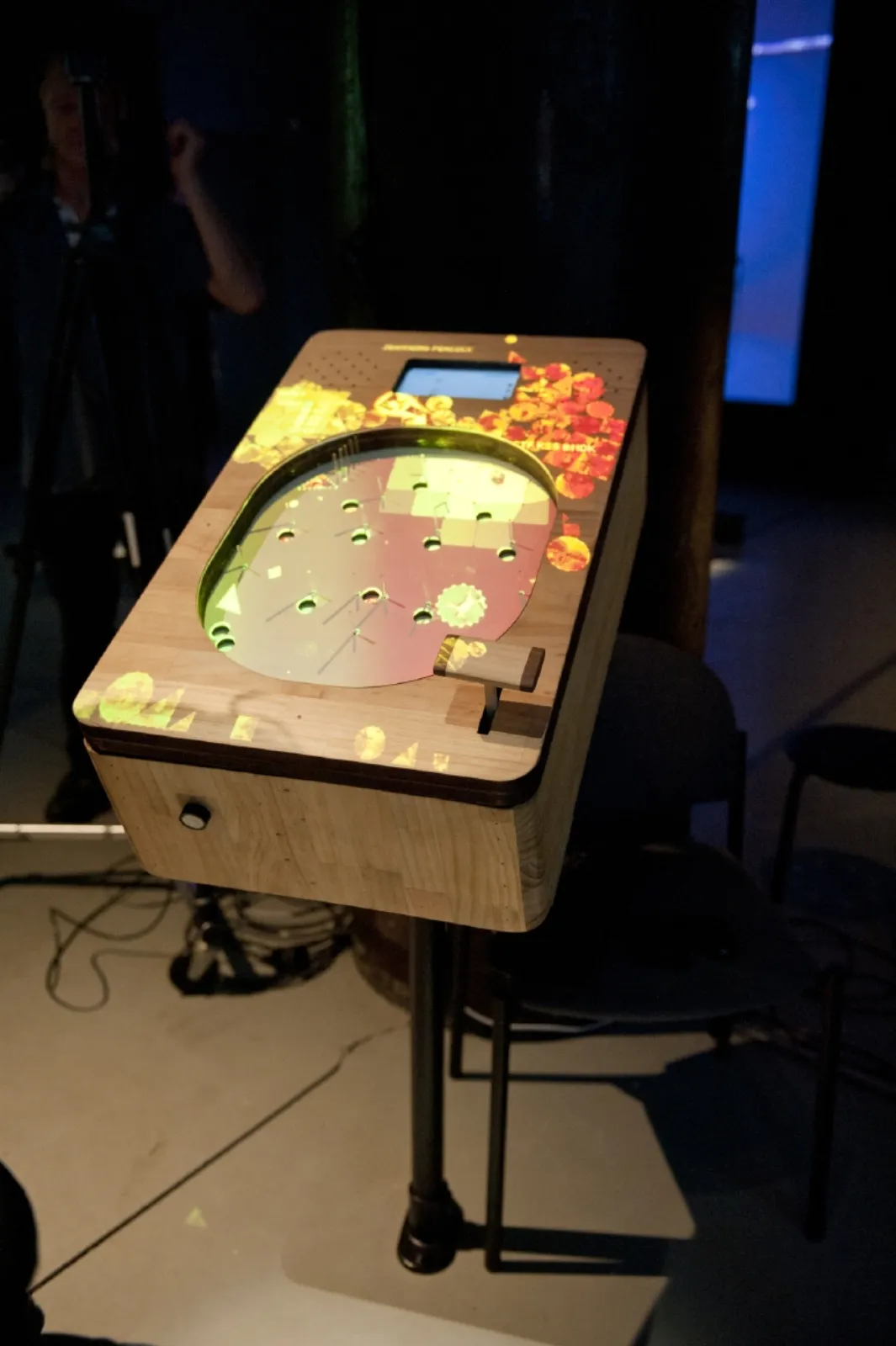
Custom pinball machine, acrylic rear-projection screen, LCD monitor, Arduino, internet data feed, web-based visual algorithm, wood, projector
Dimensions
76 × 50 × 125 cm
Category
Collaborators
Boris Debackere (project mentor, V2_), Jan Misker (project manager, V2_)
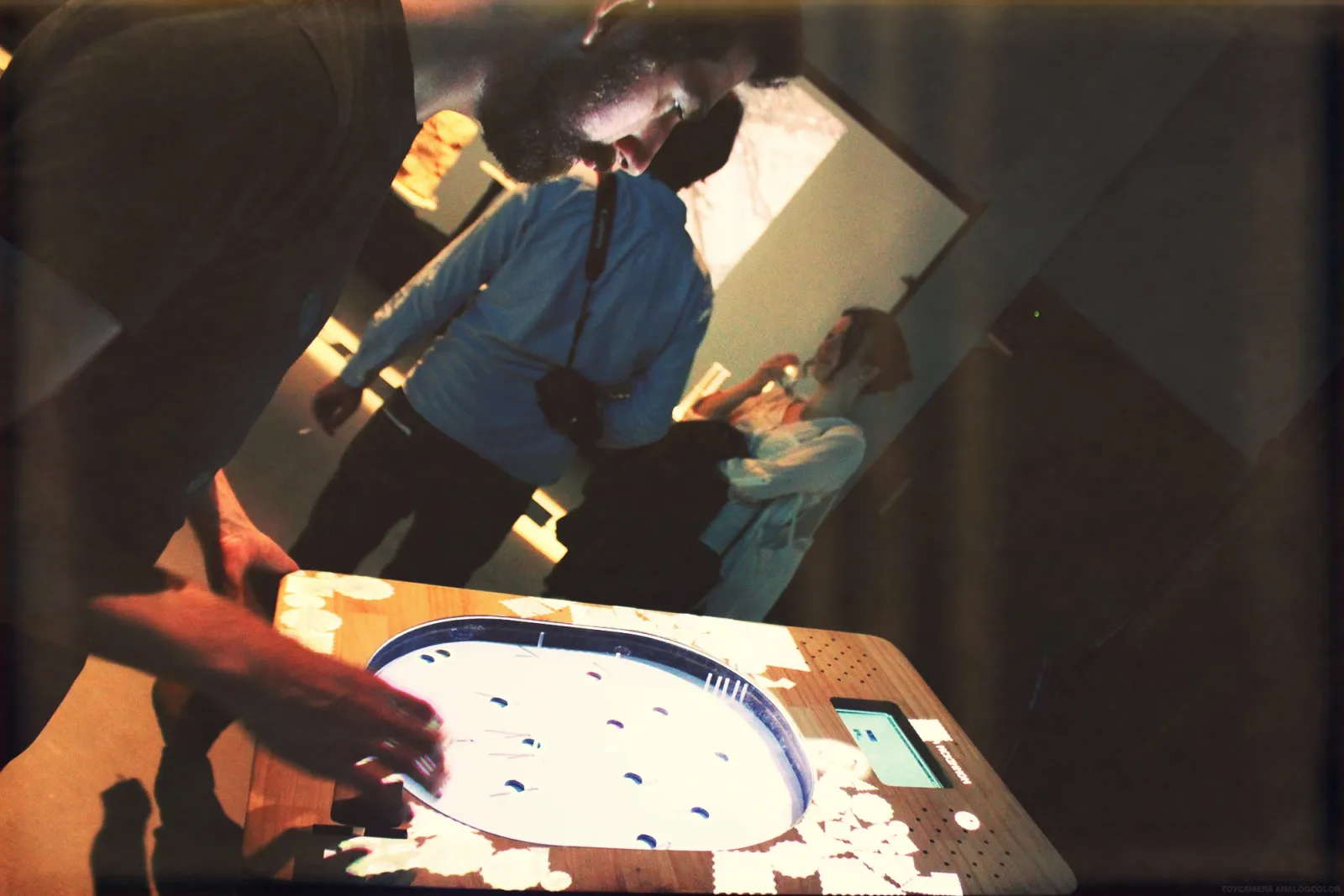
Named after William Gibson's 1984 science fiction novel, written before the internet existed yet set in a future where computer networks and advanced technology control humanity. The novel depicted a bleak degeneration of mankind caused by technology and a fundamental "psychological misalignment" of people — themes that resonate deeply with the work. The piece explores how the internet distracts and subtly brainwashes our minds. For advanced Asian societies, this is a critical issue: whether at work, commuting, or in idle moments, many people can no longer disconnect. Tablets, smartphones, and laptops keep us perpetually online, yet most of the time we browse aimlessly — scrolling through friends' feeds, videos, and images. Even when we should be working, we spend hours lingering on social media, drawn from link to link across entertaining videos and absurd images, even when the information is deliberately fabricated secondhand content. The work channels real-time internet search data from multiple countries into a custom-built pinball machine — transforming the torrent of global data into a physical, playable experience where information overwhelms, fragments, and ultimately eludes individual agency.
Exhibitions
2023 "Homogeneous Heterogeneity" Solo Exhibition, National Tsing Hua University Art Center, Hsinchu
2015 "GAME・NOT OVER・YET" Video Game Art Exhibition, Fuzhong 15, New Taipei City
2014 "Human vs. User" 404 Electronic Art Festival, Platforma, Moscow
2014 "騷動" New Media Art Exhibition, National Taiwan Normal University, Taipei
2013 "Summer Session 2013", V2_ Lab for the Unstable Media, Rotterdam, Netherlands
2013 "Post-Community Digital Art Exhibition", 435 Art Zone, Taipei
Gallery
Video
Behind the Scenes
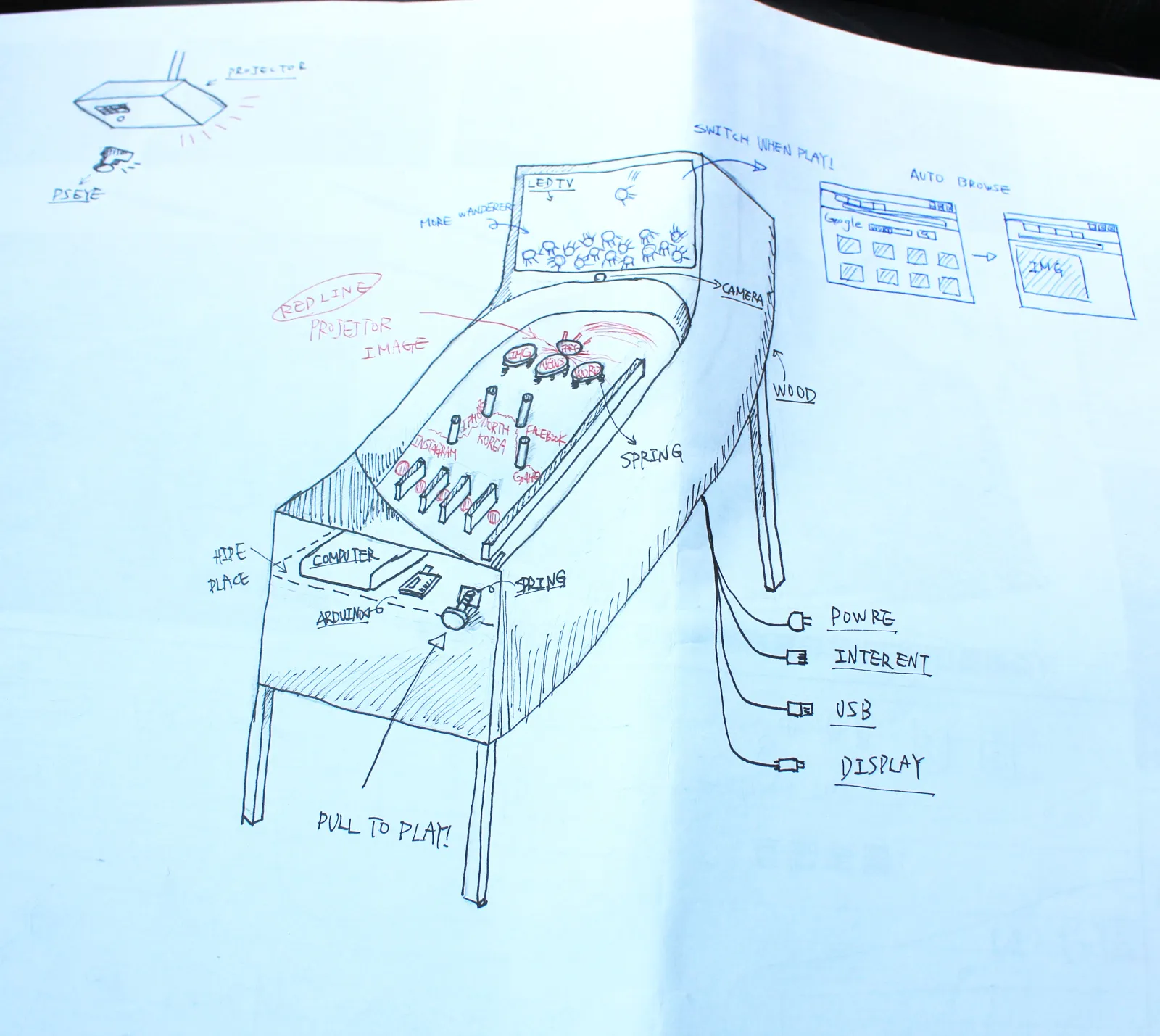
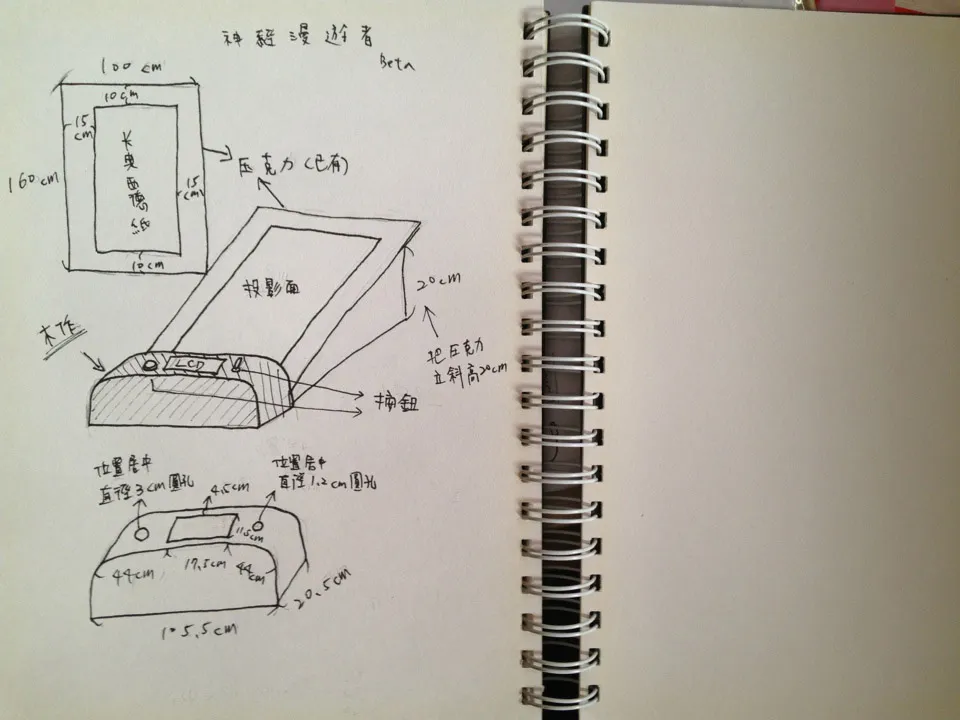
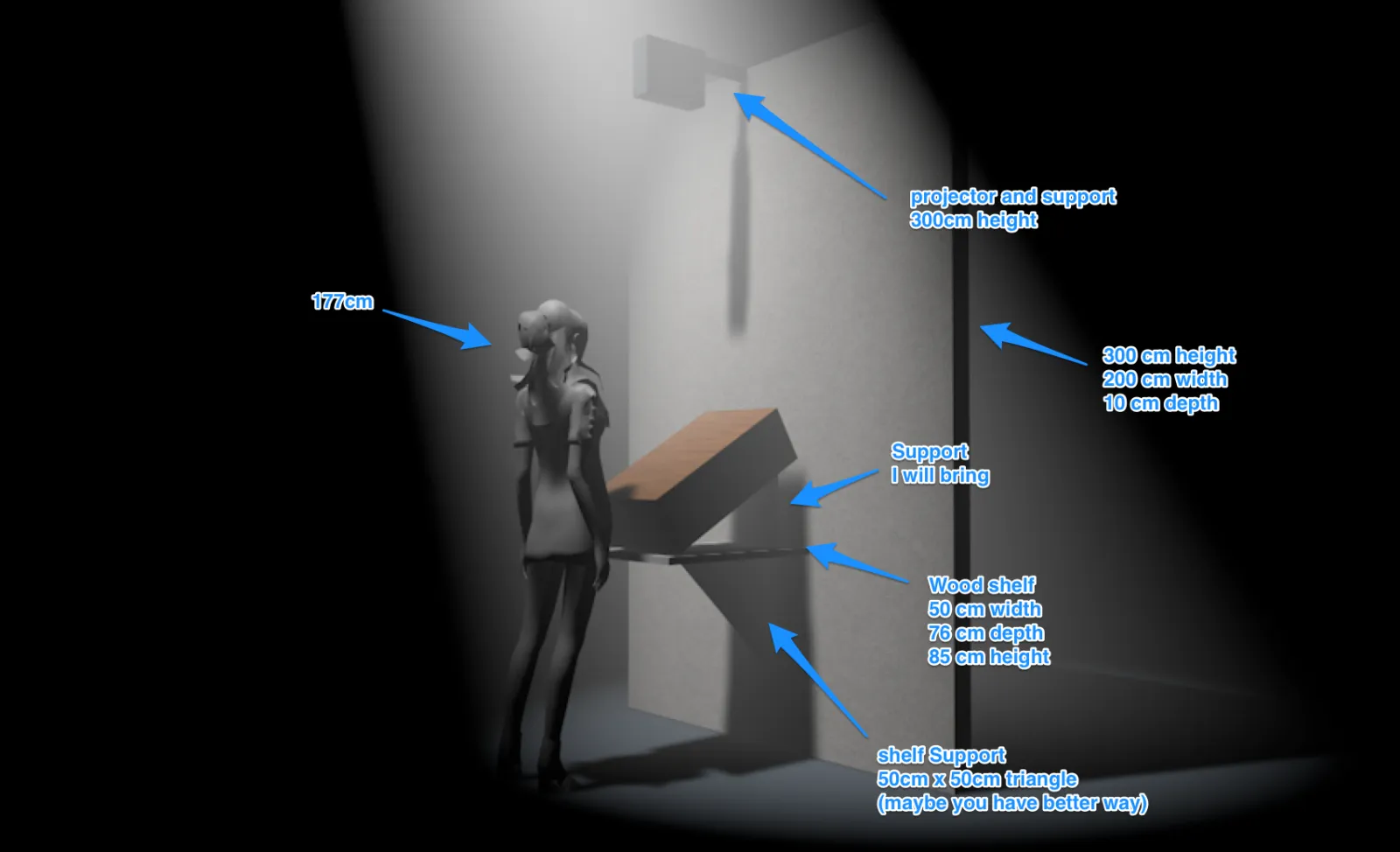
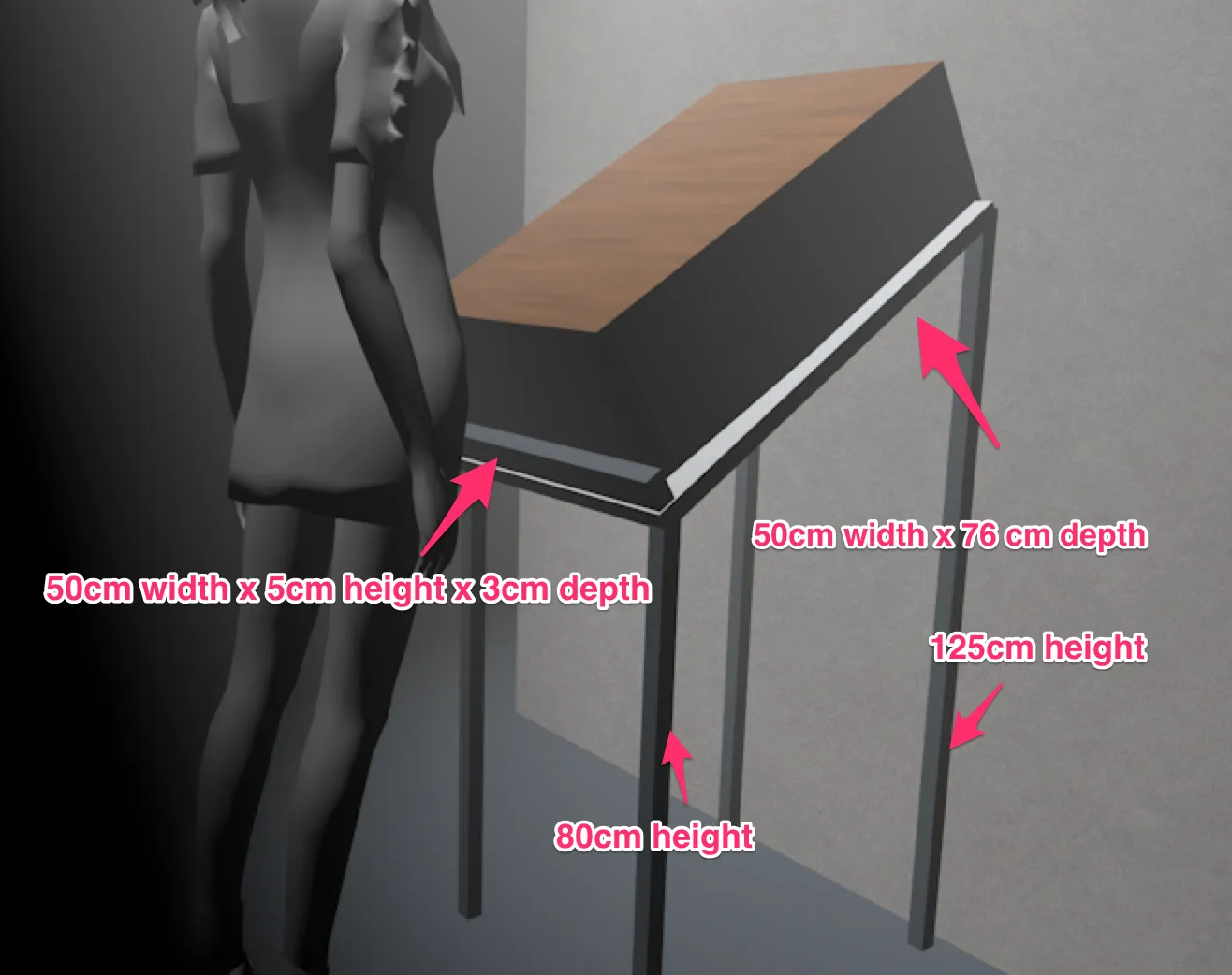
neuromancer was created during a 2013 Summer Sessions residency at V2_ Lab for the Unstable Media in Rotterdam — a formative experience that reshaped how I think about making art. It was my first time working within an international media art institution, and the residency taught me something no classroom could: the importance of structured collaboration. At V2_, I witnessed how projects succeed through clear division of roles — project management, technical development, and artistic direction each contributing distinct expertise. This understanding would later become foundational to how I run Peppercorns.
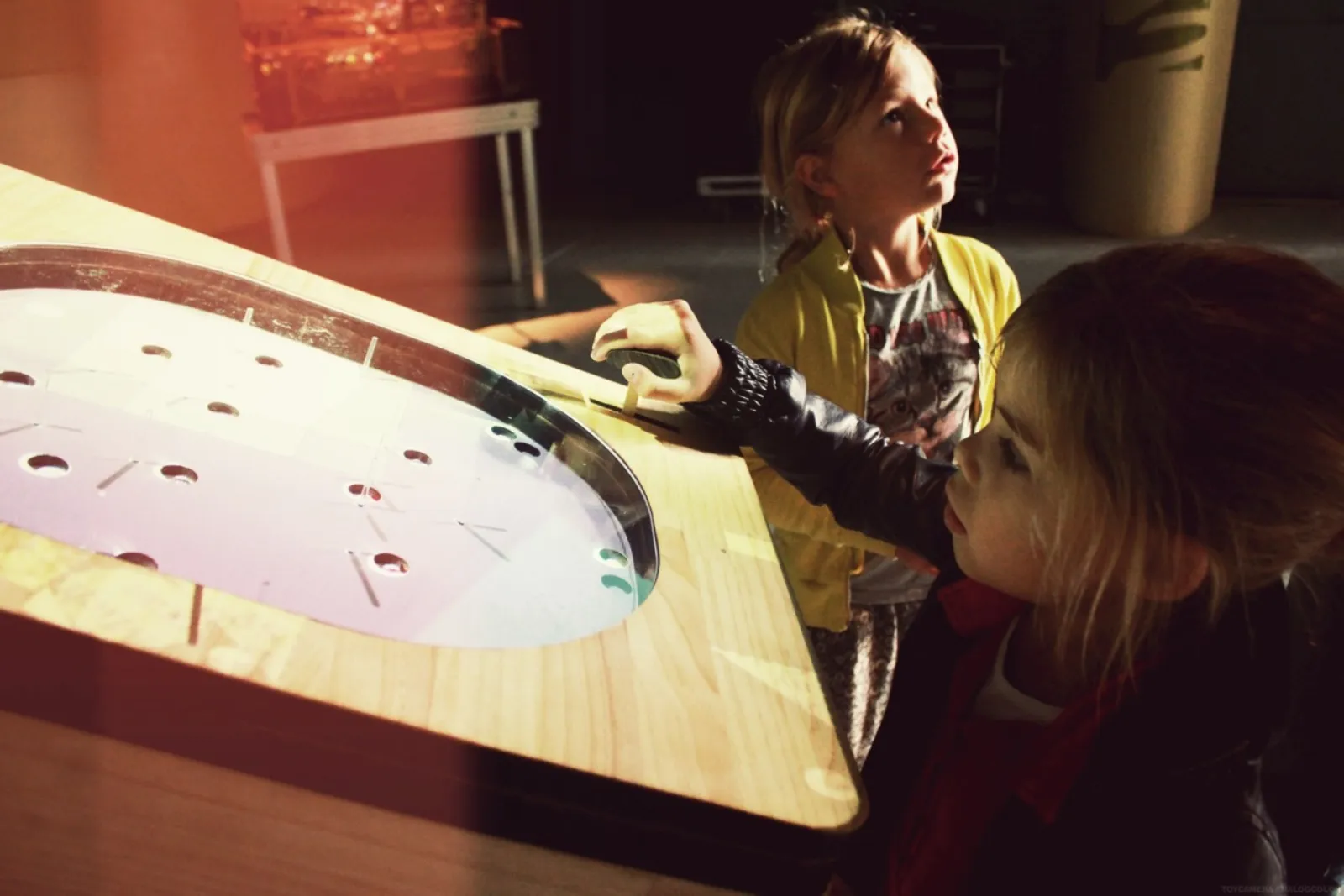
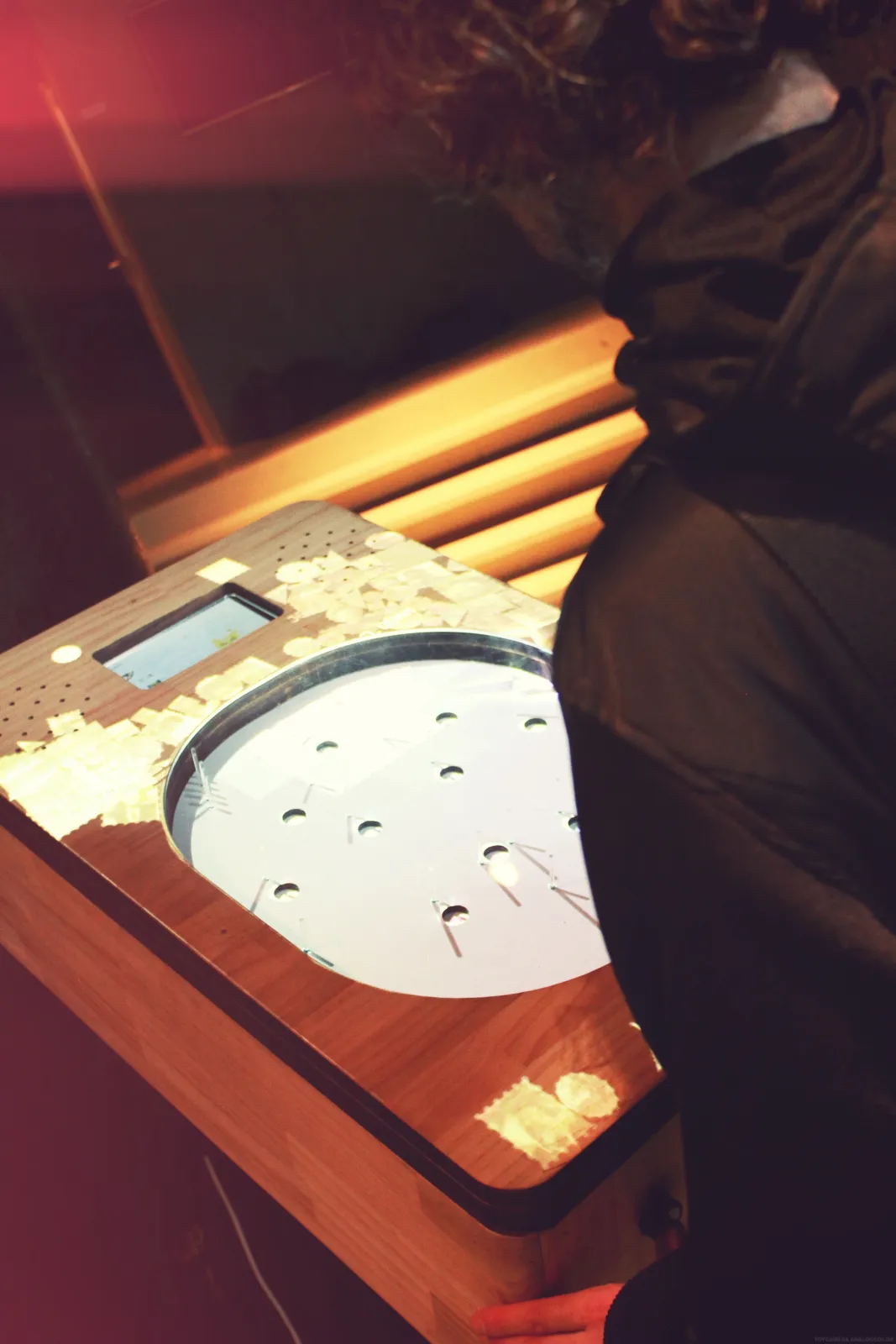
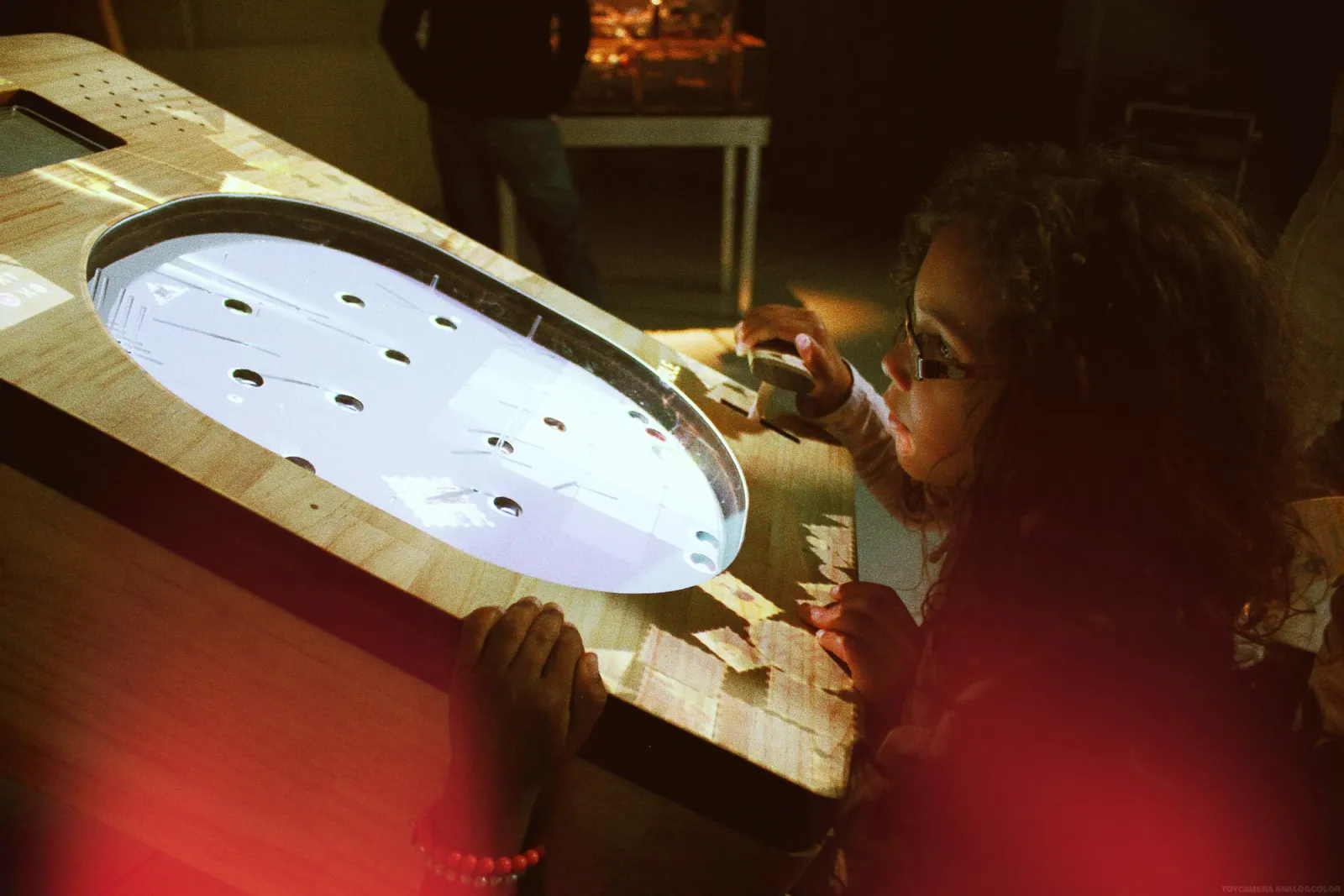
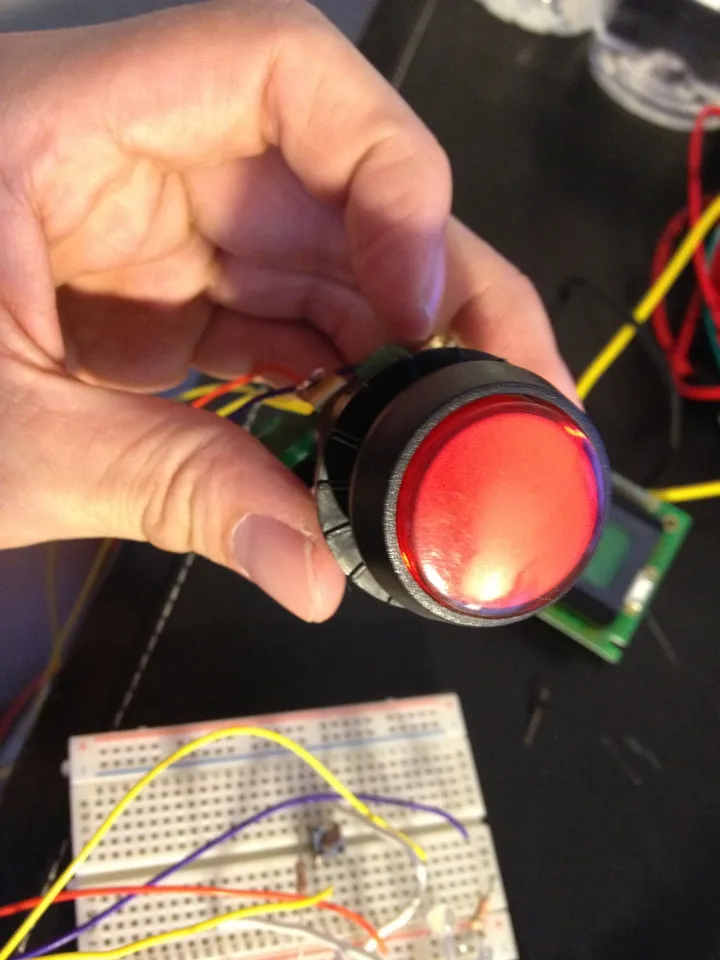
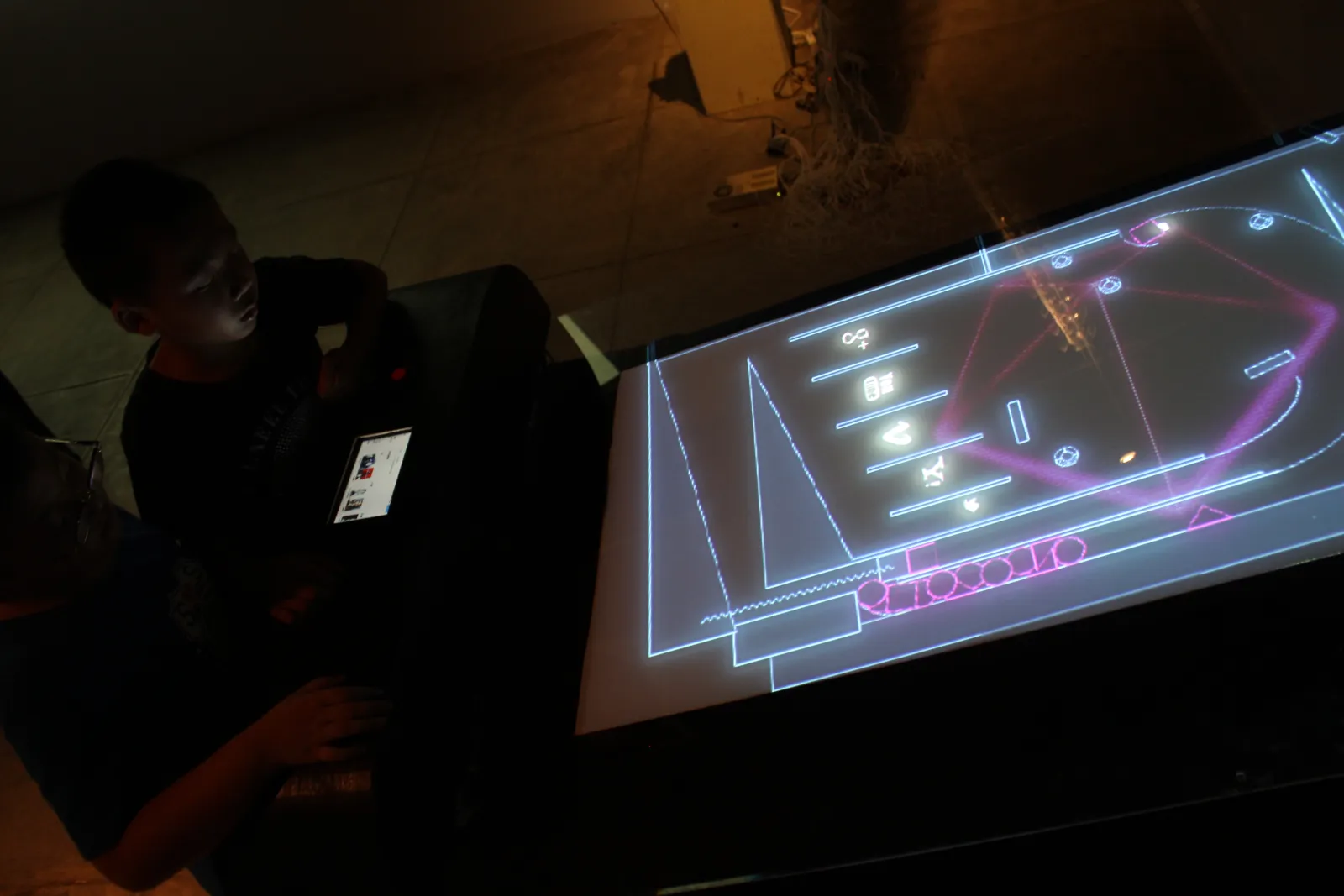
The physical build was an exercise in bridging digital and analog worlds. I designed and constructed a custom pinball machine from scratch — wood body, tilted acrylic rear-projection surface, Arduino-controlled arcade buttons and toggle switches, a small LCD status monitor, and an overhead projector. Every component was hand-measured and prototyped: I sourced 3cm arcade buttons and 1.2cm toggle switches, cut a 160×100cm acrylic sheet for the projection surface, and built the wooden housing to precise dimensions. The electronics were wired on breadboards before being soldered into the final assembly.
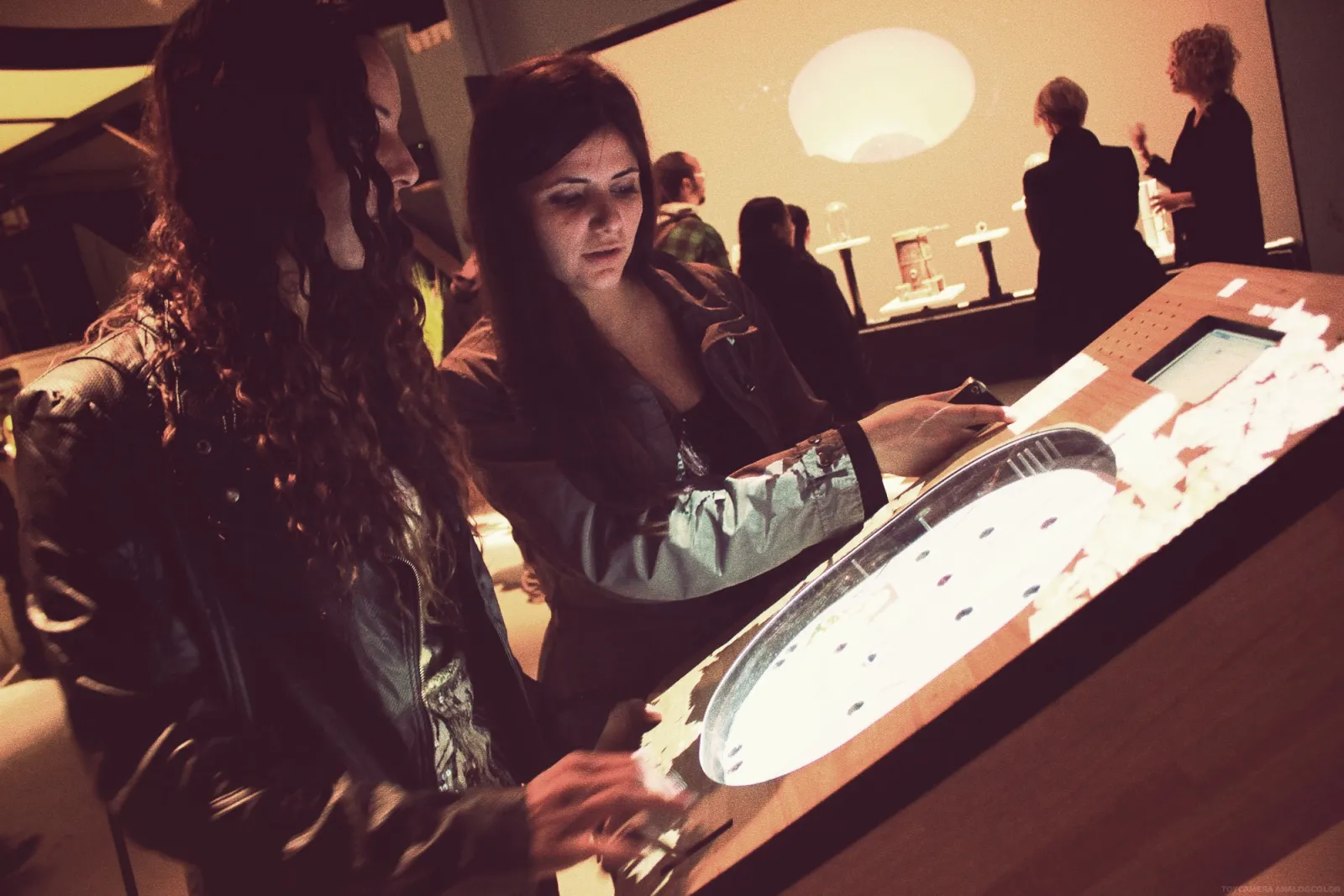
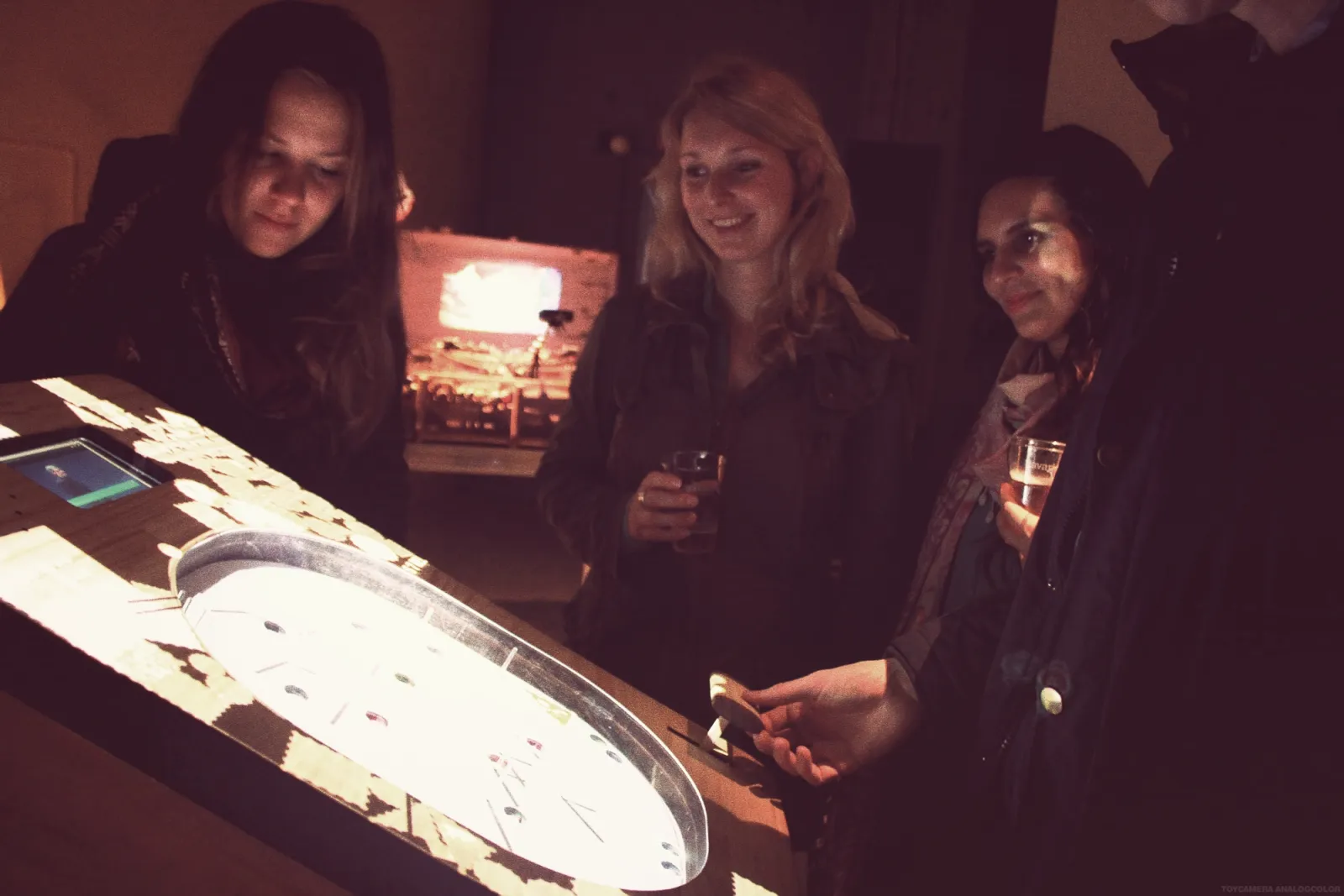
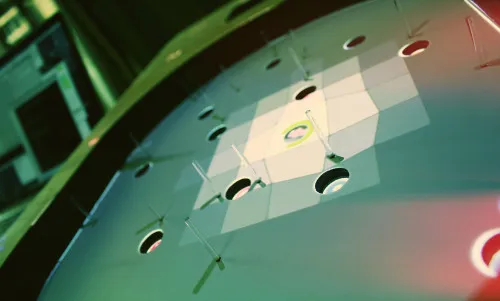
The software side was equally custom. I developed a web-based visual algorithm that pulls real-time search data from the internet — trending keywords from multiple countries — and transforms them into projected graphics on the pinball surface. When a player pulls the spring launcher and hits the flippers, they are literally playing with the flow of global information. The ball's physics and the data visualization merge into a single experience: playful on the surface, disorienting underneath.
A pivotal moment came from Boris Debackere's feedback. After seeing the early projection-mapped visuals running on the pinball surface, he told me that the internet is not only about beautiful things — there are countless subculture websites out there revealing entirely different facets of the online world. That observation pushed me to move beyond a purely aesthetic approach and confront the darker, messier, more disorienting reality of how we consume information. It fundamentally shaped the direction of the work.
The V2_ presentation and the subsequent "騷動" (Commotion) New Media Art Exhibition at National Taiwan Normal University in 2014 were milestones. Watching children, adults, and fellow artists engage with the machine — some drawn to the game mechanics, others transfixed by the projected data streams — confirmed that the work operated on multiple registers simultaneously. It was a technical achievement, but more importantly, it proved that concept could lead technology rather than the other way around.